Popular travel spots are enjoying a vacation surge
In popular European destinations like Venice, Barcelona, and Amsterdam, city administrations are implementing strategies to manage overtourism, prioritising sustainable tourism, and ensuring a balance between economic benefits and the wellbeing of local residents.
Barcelona, Spain, is taking significant steps to eliminate short-term tourist rentals by November 2028, aiming to reduce tourist density in residential areas and mitigate negative impacts on locals. The city has also adjusted tourist taxes, particularly outside peak seasons, as part of a broader effort to promote responsible tourism and balance economic benefits with resident quality of life.
Venice, Italy, is facing enormous pressure from a record number of tourists, which strains the city's infrastructure and heritage sites. While specific new policies for Venice were not detailed, Italy is generally adopting measures to manage visitor numbers and promote sustainable tourism. The city's councillor for tourism, Paola Mar, is urging officials to use the pause to rethink "an entire Venice system" with sustainability and quality tourism at its core.
Amsterdam, Netherlands, places importance not just on limiting visitor numbers but also on influencing tourist behaviour to reduce overcrowding and preserve quality of life for residents. Dutch strategies include encouraging visitors to explore lesser-known areas beyond the main tourist hubs, thus redistributing tourist flows and easing pressure on Amsterdam’s city centre.
Across Europe, there is a growing movement towards sustainable travel that supports local economies and protects cultural and environmental assets. Effective governance involving multiple levels of government and stakeholders is key to implementing balanced tourism policies. Many experts emphasise educating tourists about responsible travel behaviours as a critical element of overtourism management. The introduction or adjustment of tourist fees helps regulate visitor numbers and generates revenue for local preservation and services.
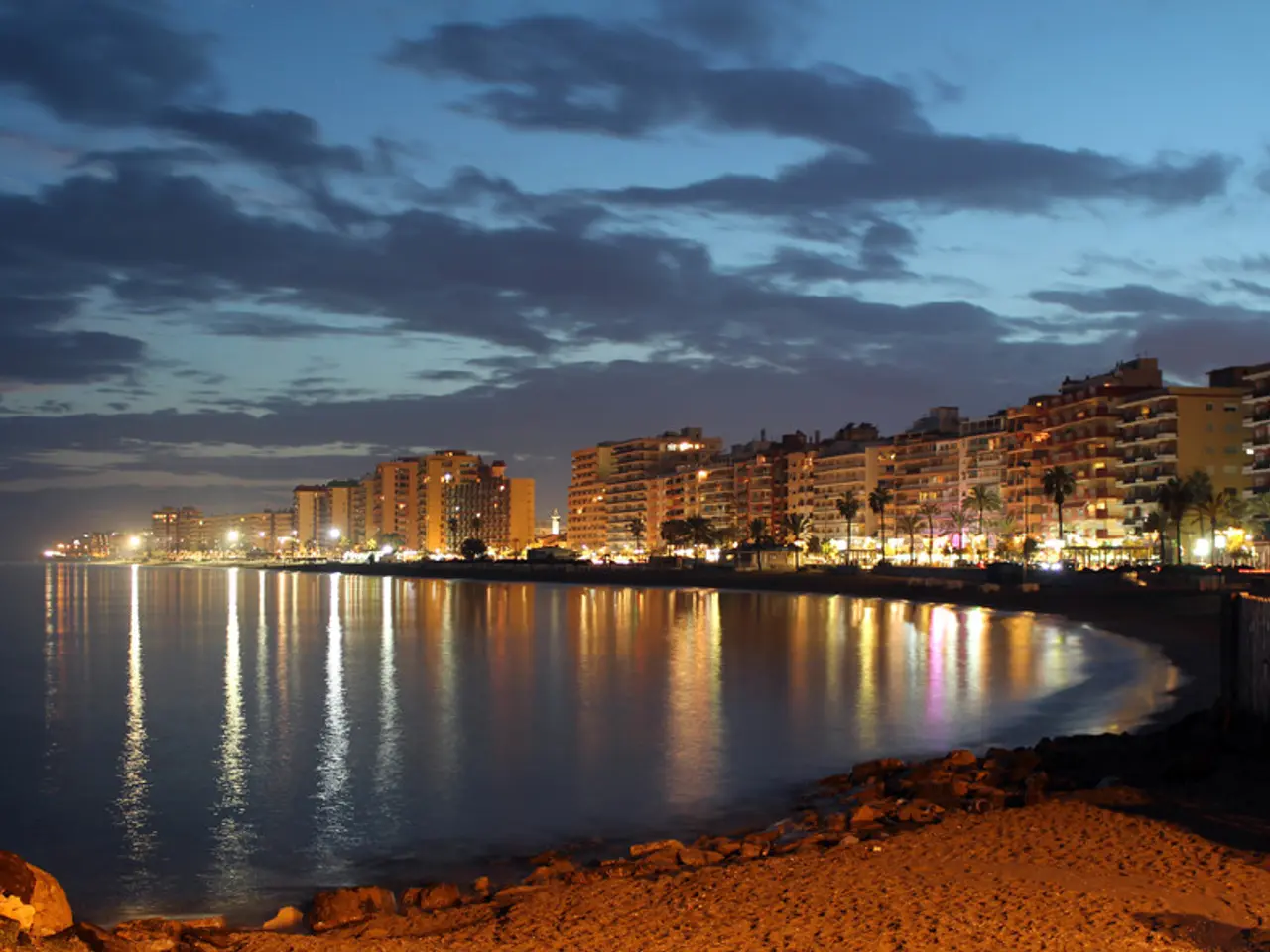
Large numbers of young people have been among the first to return to destinations like Malaga post-lockdown. However, concerns about tourist behaviour persist. In the Balearics, an "anti trash tourism decree" requiring bars and clubs to close at 02:00 am has not prevented drunk British holidaymakers from not wearing masks and jumping on cars. Similarly, footage of revellers in Spain's Mallorca and a Bulgarian resort town has been widely reported in German media.
In response, organisations like Amsterdam&Partners have launched sustainability task forces to map the way forward for a sustainable visitor economy that doesn't harm the livability of the city. In Lisbon, the Mayor is prioritising affordable housing for essential workers by offering to pay landlords to turn thousands of short-term lets into "safe rent" homes.
These efforts collectively aim to maintain the economic benefits from tourism while ensuring its social and environmental sustainability, preserving the character and livability of these iconic destinations for residents and future visitors alike. The pandemic has served as a reminder of what these places were like with fewer or no tourists, and local economics and politics will determine the balance between locals and visitors as we enter the new normal.
- Barcelona, aimed at reducing tourist density in residential areas, is planning to eliminate short-term tourist rentals by November 2028.
- In an effort to promote responsible tourism and balance economic benefits with resident quality of life, Barcelona has adjusted tourist taxes, particularly outside peak seasons.
- Venice, Italy, is urging officials to rethink the city's entire system with sustainability and quality tourism at its core, in response to the strain on its infrastructure and heritage sites from record numbers of tourists.
- Amsterdam, Netherlands, is focusing not only on limiting visitor numbers but also on influencing tourist behavior to reduce overcrowding and preserve quality of life for residents.
- Across Europe, there is a growing movement towards sustainable travel that supports local economies, protects cultural and environmental assets, and educates tourists about responsible travel behaviors.
- Large numbers of young people have returned to destinations like Malaga post-lockdown, but concerns about tourist behavior persist, such as drunkenness and disregard for local regulations.
- Organisations like Amsterdam&Partners have launched sustainability task forces to ensure a sustainable visitor economy that doesn't harm the livability of the city, while in Lisbon, the Mayor is prioritizing affordable housing for essential workers.
- The pandemic has served as a reminder of what these iconic destinations were like with fewer or no tourists, and local economics and politics will determine the balance between locals and visitors as we enter the new normal.