
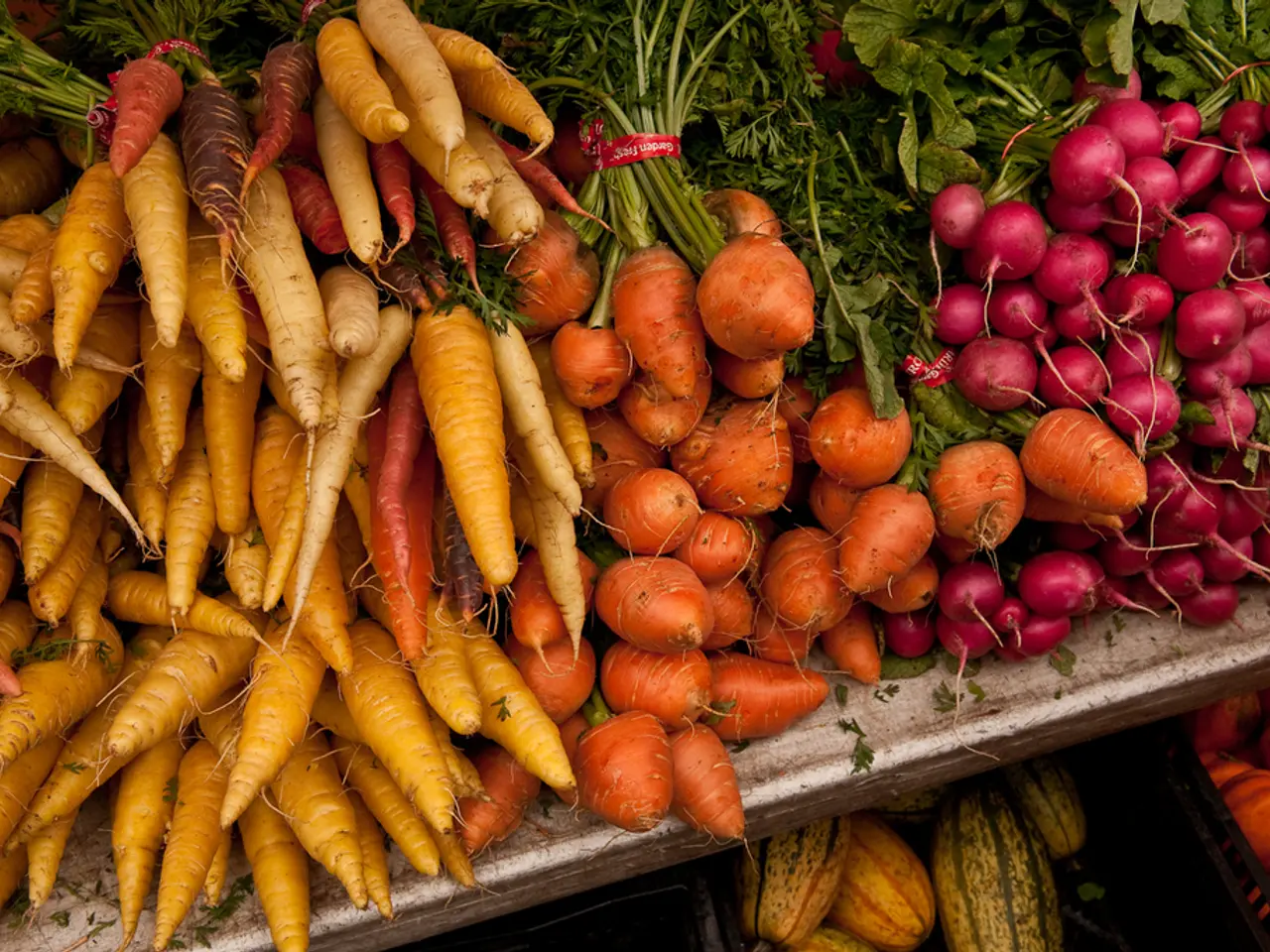
Ideal Vegetable Planting Timings in New York for a Flourishing Garden
Growing a Thriving Garden in New York: A Guide for Gardeners
A successful garden in New York relies on understanding the unique conditions of the region, from adequate water and nutrition to the impact of temperature and sunlight. Here's a comprehensive guide to help you navigate the garden landscape in the Empire State.
Seasonal Planting
Early Spring (April to May): Plant cool-season crops outdoors, such as lettuce, peas, radishes, and spinach. These crops thrive in cooler soil and air temperatures.
Mid to Late Summer (July): This is an ideal time for succession planting of cool-season crops for a late summer and fall harvest. Suitable options include arugula, mustard greens, baby salad greens, bush beans, summer squash, beets, carrots, turnips, radishes, kale, collards, and spinach.
October: Plant garlic for a bountiful harvest the following summer.
Microclimates
Local variations such as urban heat islands, protection from wind, or slopes can extend the growing season slightly or allow for earlier planting in spring. Using row covers or insulating fabric can protect tender plants from early cold snaps, enabling expanded planting windows for some crops in fall.
Caring for Your Plants
- When seedlings are about 3-4 inches tall and have a few sets of true leaves, they're ready to be transplanted outdoors.
- Consistently watering the soil rather than the leaves prevents diseases and promotes strong root development.
- Incorporating compost and organic fertilizers into the soil ensures that plants receive necessary nutrients throughout the growing season.
- Selecting bolt-resistant varieties and ensuring these plants receive adequate water helps prevent bolting.
- Mulching around plants after harvesting helps retain moisture and suppress weeds.
Harvesting and Maintenance
- For cucumbers and zucchinis, harvest them while they are still young and tender to avoid bitterness and lower quality.
- Harvesting promptly during peak growing periods avoids extended exposure to harsh conditions, reducing bolting risk.
- For leafy greens, harvest once they reach a desirable size, usually around 45-60 days.
- In the summer, maintaining soil moisture with mulch helps combat high temperatures and retain water.
- Carrots and radishes should have well-developed tops peeking above the soil.
- Using the right method to pick vegetables ensures they don't get damaged, which can affect taste and storage life.
- After harvesting, remove dead or yellowing foliage to keep perennial plants healthy.
Tips for Urban Gardeners
- In urban gardens sheltered by buildings, tomatoes may thrive when started a week early.
- Adjusting planting times earlier in urban areas can be beneficial due to the urban heat island effect.
Preparing for Extreme Weather
- In New York, it's important to be prepared for frost in early spring and late fall by using frost cloths or row covers to shield young plants during unexpected cold snaps.
- Monitoring the weather forecast allows timely actions to protect crops from unpredictable weather.
Expert Advice
Glen, an experienced gardener with over 15 years of hands-on experience in garden maintenance, design, and landscaping services, emphasises the importance of understanding your garden’s specific microclimate conditions and adjusting planting dates accordingly.
[1] GardenGuides.com, Almanac.com, NYC Urban Garden Center
- Plant hardiness zones in New York may affect the timing of transplanting seedlings, as different crops require specific conditions for successful growth.
- When planning a garden in New York, it's essential to consider other outdoor aspects of one's lifestyle, such as hobbies that might involve frequent travel, as they could potentially impact the care of pets and the garden.
- For urban gardeners, understanding how factors like fashion-and-beauty products or food-and-drink consumption can impact one's budget is crucial in allocating resources towards home-and-garden supplies.
- When moving seedlings from indoor pots to an outdoor garden, it is advisable to choose the right time- especially when considering relationships- as social events may require adjustments in the transplanting schedule.
- During a weekend shopping trip, don't forget to grab a book on local gardening practices in the travel section, learn about maintaining cars to transport gardening equipment, and consider buying some unique planters or outdoor decorations in the home-and-garden department for an attractive garden.