
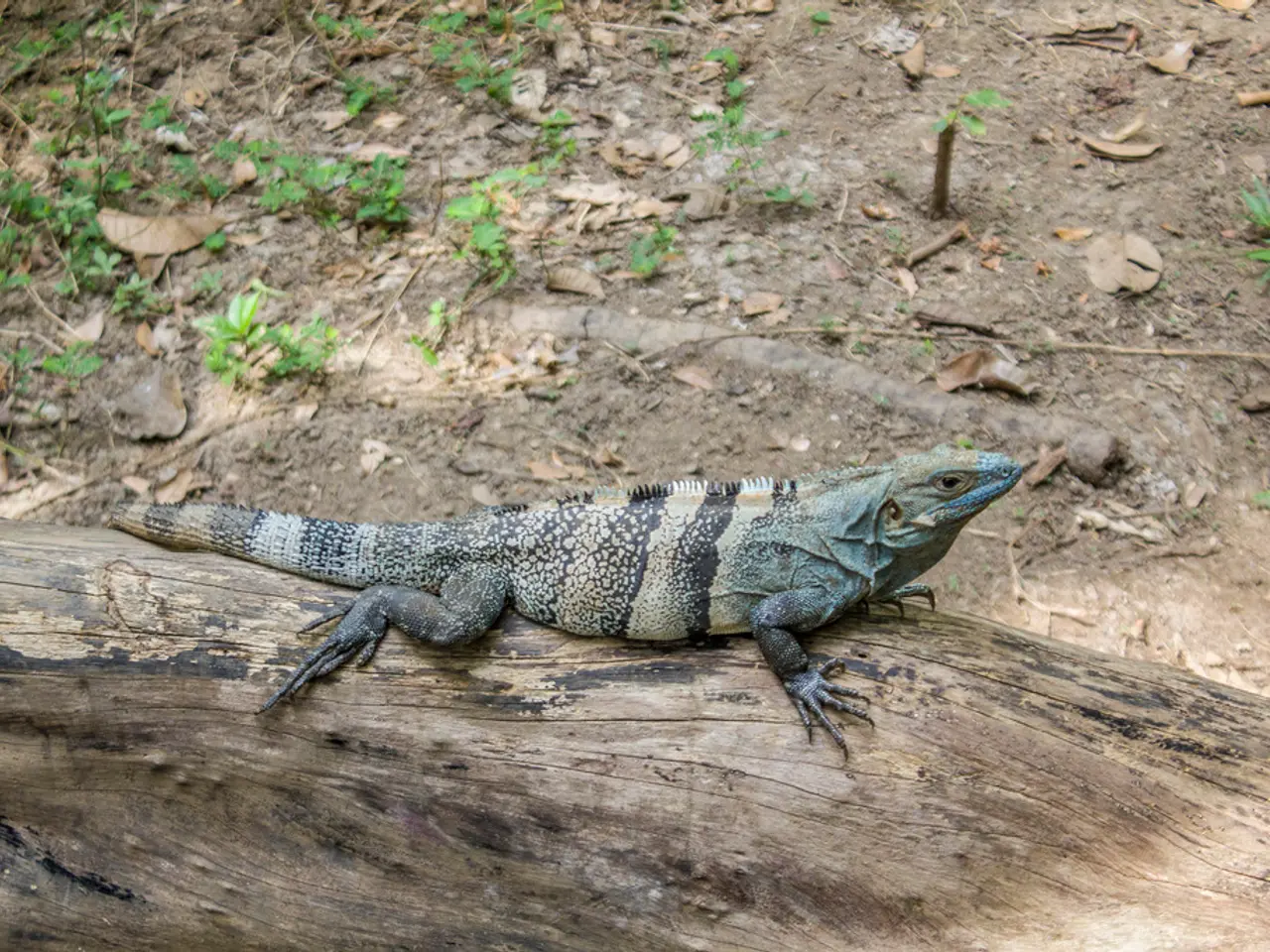
Guides on Leaf Litter: comprehensive information for setting up bioactive terrarium environments
In the captivating world of terrariums, leaf litter plays a pivotal role, acting as the bioactive backbone that supports a diverse ecosystem. From springtails and isopods to reptiles, the additional hiding opportunities provided by leaf litter are a favourite for many terrarium pets.
When creating a bioactive terrarium, the choice of leaf litter can significantly impact its health and sustainability. Oak leaves, such as Live Oak and Beech Oak, are among the best options due to their long-lasting nature, beneficial structure, and slow decomposition rate, which supports the detritus-based ecosystem in the terrarium. Oak leaves, especially Live Oak, are smaller and easier to fit into compact setups, while magnolia leaves are also popular for their size and decay properties.
Bamboo leaves are sometimes used in the substrate to improve aeration and create air pockets, enhancing the habitat for burrowing or tunneling species.
Key factors to consider when choosing leaf litter include the decomposition rate, size and shape, source and safety, compatibility with inhabitants, aesthetic and functional layering, and the specific ecological needs of the terrarium inhabitants. Leaves that break down too fast may destabilize the micro-ecosystem, while those that last longer provide more consistent shelter and food material for decomposers. Smaller leaves fit well in smaller terrariums and allow more surface area coverage, while “horned” or textured leaves offer more hiding places and niches.
Natural, clean leaf litter harvested from safe sources is ideal, free from pesticides, mold, or contaminants. Some animals may prefer leaves that retain moisture longer or provide specific shelter types. Leaf litter can also impact humidity levels, microbial populations, and insect communities important to the enclosure’s ecology.
A densely planted terrarium or vivarium offers more cover than a bare isopod tupperware box, and it's recommended to provide a thick covering of leaf litter in isopod bins for plenty of cover. Freshly planted terrariums should be supplemented with a healthy supply of leaf litter. Over time, a settled terrarium will drop more of its own leaves.
Animal pets can provide additional waste for isopods to consume, requiring a balance. Oak leaf litter, organic, soft, and tougher than Maple, is a good choice for isopods. There are guides available for springtail food and isopod food.
While pine oak leaf litter is sold in various sizes on the author's store, it's important to note that the safety concerns of pine leaf litter are not specified. Collecting your own leaf litter is not uncommon but is location-dependent.
In summary, by considering the factors outlined above, you can create a sustainable and healthy environment in your bioactive terrarium, ensuring the well-being of your pets and the thriving of the ecosystem within.
- To maintain a healthy and sustainable lifestyle for terrarium pets, it's essential to make thoughtful choices about the leaf litter, taking into account factors such as decomposition rate, size and shape, source and safety, compatibility with inhabitants, and the specific ecological needs.
- When embarking on shopping for leaf litter, consider options like oak leaves (Live Oak and Beech Oak) for their long-lasting nature, beneficial structure, and slow decomposition rate, which supports a stable ecosystem in the terrarium.
- For travelers who are interested in establishing terrariums, it may be beneficial to explore local options for natural, clean leaf litter harvested from safe sources, keeping safety concerns in mind for both the pets and the ecosystem within.
- Car enthusiasts and collectors may find pleasure in the unique aesthetic of various leaf litter options while creating their terrariums, ensuring a coordinated home-and-garden setting that reflects their personal fashion-and-beauty preferences.