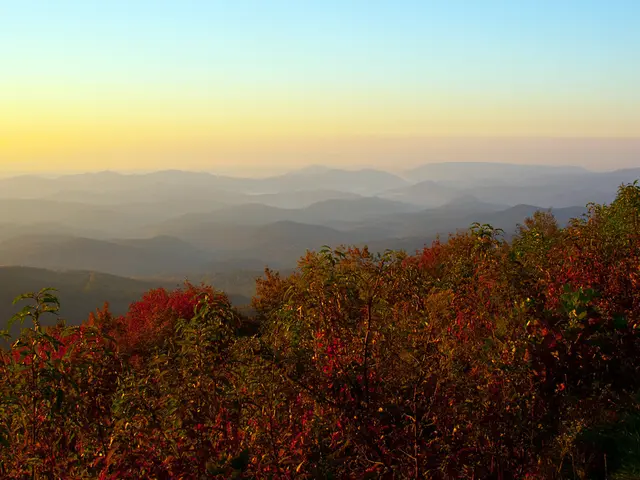
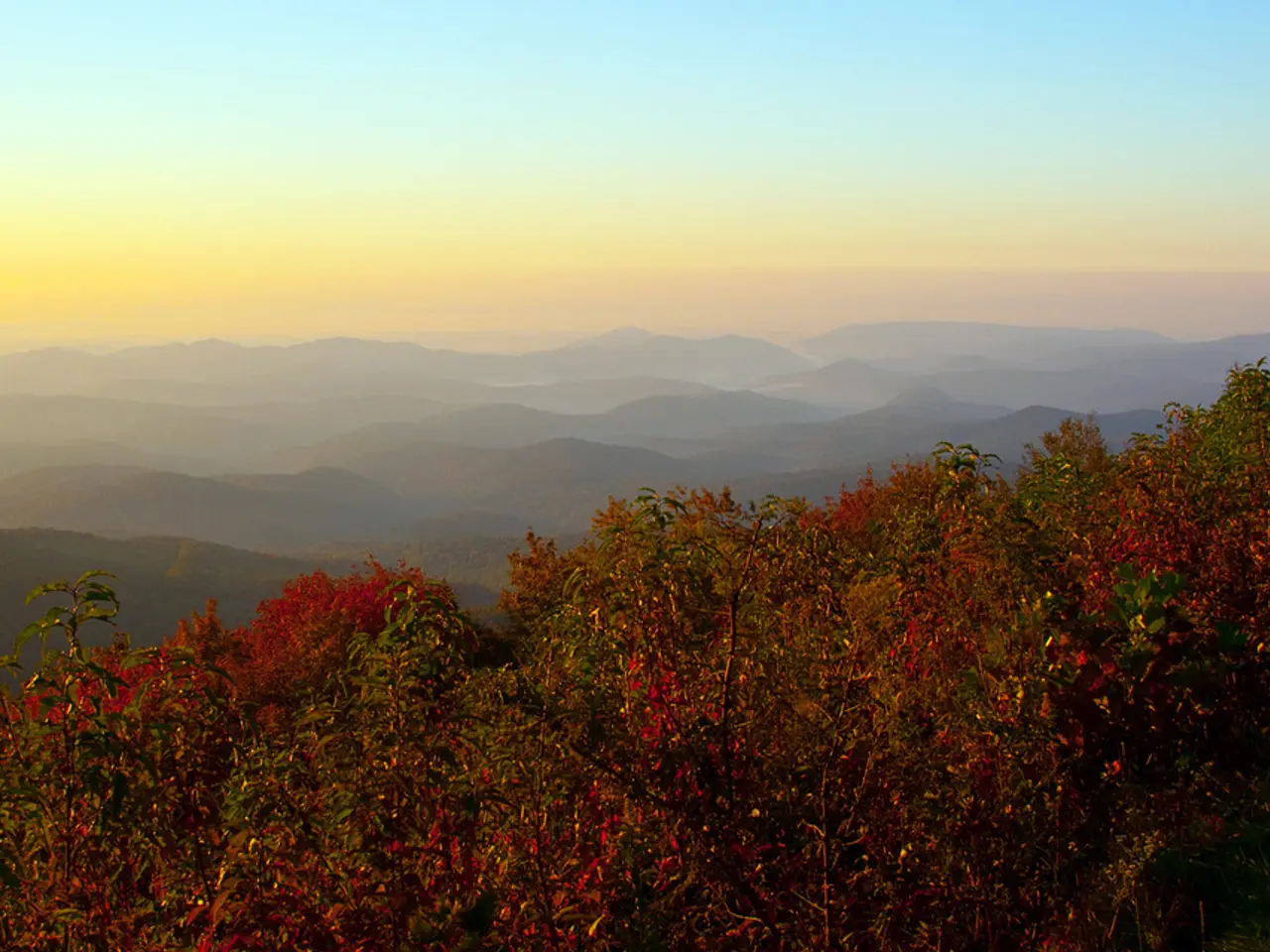
Experience the breathtaking Grand Teton National Park's natural wonders
Exploring Grand Teton National Park: A Comprehensive Guide
Grand Teton National Park, located in the northwest corner of Wyoming, is a must-visit destination for nature lovers. Here's a detailed guide to help you plan your trip.
Getting There
The closest major airport to Grand Teton National Park is Salt Lake City, Utah. To reach the park, drive north on I-15 from Salt Lake City, then eastward toward Idaho Falls and south toward Jackson, Wyoming. From Jackson, enter the park via its southern entrances. This scenic route takes approximately 5 to 6 hours driving time and offers beautiful mountain scenery, quieter trails, and attractive stops like Jackson Lake Overlook and Colter Bay Village inside Grand Teton.
Alternatively, the Jackson Hole Airport provides commercial and charter air service to the park. Local taxi, shuttle, and rental car services are also available from the airport.
Exploring the Park
A basic visit to the park requires planning and timing, and reservations are recommended for main season visits. The park, established by Congress on February 29, 1929, encompasses approximately 310,000 acres of wilderness and some of the most beautiful mountain scenery in the western United States.
Grand Teton, the highest peak in the range, has an elevation of 13,770 feet (4198 m). The park is home to over 300 species of birds, 6 species of hoofed mammals, 17 species of carnivores, and numerous invertebrates, among other wildlife. It also boasts 900+ species of flowering plants and 7 species of coniferous trees.
Backcountry camping in Grand Teton National Park requires following the "Leave No Trace" philosophy. A bird guide is available to help visitors identify birds in the park and parkway. A Wyoming fishing license is required to fish in the park, but non-residents under 14 years of age and accompanied by a person possessing a valid Wyoming license may fish free.
Suggested Stops
Park City and Logan, Utah offer wildflower trails and pioneer history. The Craters of the Moon National Monument area in Idaho, if you have extra time, presents unique volcanic landscapes. Colter Bay Village inside Grand Teton offers lake views and easy hikes.
Exploring the Parkway
The John D. Rockefeller, Jr. Memorial Parkway legislation established an 82-mile parkway between West Thumb in Yellowstone National Park and the south entrance of Grand Teton National Park, including approximately 24,000 acres of land. Bicyclists can use approximately 100 miles of paved roads within the park and parkway. There are approximately 100 miles of paved roads and nearly 200 miles of trails for hikers to enjoy in Grand Teton National Park.
Travel Tips
All vessels must be registered with the park annually and a small fee is required. Renting a car is often in short supply, so it's recommended to reserve one when booking a flight. No tolls are involved on this route.
Visitors with disabilities can find facilities such as restrooms, picnic tables, and a limited number of campsites. The same visitors pass is good in both Grand Teton and Yellowstone National Parks.
This advice aligns with recent 2025 travel itineraries and advice for travelers combining Yellowstone and Grand Teton visits, ensuring an enjoyable and memorable driving experience.
- Grand Teton National Park, located in Wyoming's northwest corner, is a haven for nature enthusiasts.
- To reach the park, drive from Salt Lake City, Utah, then take I-15 towards Idaho Falls and south to Jackson, Wyoming.
- Jackson Hole Airport provides air service to the park as well, with local transportation options available.
- Plan your visit to Grand Teton carefully, as it spans around 310,000 acres of wilderness.
- Grand Teton, the tallest peak, towers at 13,770 feet (4198 m).
- The park teems with diverse wildlife such as over 300 bird species, several hoofed mammals, carnivores, and invertebrates.
- It also boasts a rich flora, with around 900+ species of flowering plants and 7 types of coniferous trees.
- For those who love camping, Grand Teton follows the "Leave No Trace" philosophy for backcountry camping.
- A bird guide is available for identifying bird species in the park.
- Fishing in the park requires a Wyoming fishing license, but certain exemptions apply.
- Park City and Logan, Utah, offer wildflower trails and pioneer history, while Craters of the Moon National Monument in Idaho presents unique volcanic landscapes.
- Colter Bay Village inside Grand Teton offers beautiful lake views and easy hikes.
- The John D. Rockefeller, Jr. Memorial Parkway, established between Yellowstone and Grand Teton, offers over 100 miles of paved roads for cyclists.
- Hikers can enjoy approximately 200 miles of trails within Grand Teton National Park.
- All vessels in the park must be registered annually and a small fee is required.
- Renting a car ahead of time is recommended due to potential shortage.
- Facilities for visitors with disabilities, such as restrooms and campsites, are available in the park.
- This guide aligns with recent travel advice, offering a memorable and enjoyable experience for those combining Yellowstone and Grand Teton visits.