
Elderly Mistake: Regular Shower Hygiene Mishap Continued Among Those Age 65 and Above
In our aging years, it's essential to adapt our daily routines to accommodate our changing bodies. This is particularly true when it comes to our skin, which becomes thinner, drier, and produces fewer natural oils. Dr. Sylvie Meaume, the head of the Geriatrics Wounds and Healing department at AP-HP Rothschild, advises adjusting our cleaning routines to ensure our skin stays healthy and resilient.
As we age, our skin's protective barrier can be compromised. Frequent showers, especially with hot water and harsh soaps, can strip away the limited protective oils, leading to issues like flaking, cracking, and increased susceptibility to infections. To counteract this, Dr. Meaume recommends showering two to three times per week. This frequency is sufficient to preserve hygiene and helps prevent common skin issues among older adults.
When we do shower, it's important to use gentle care. Lukewarm water is recommended to prevent the skin from drying out too much. On non-shower days, a quick rinse with water can help maintain cleanliness without damaging the skin's protective layer.
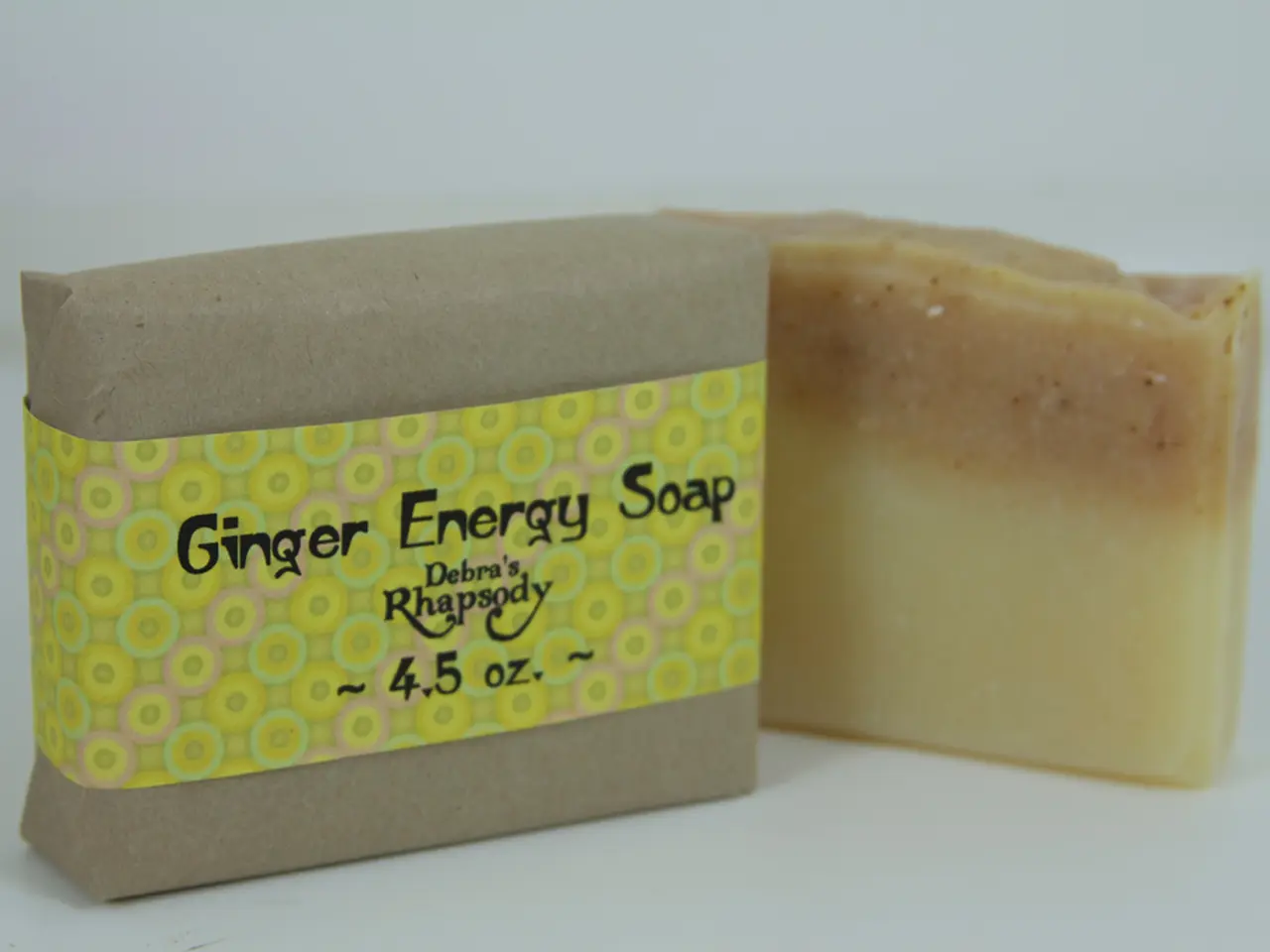
Experts also advise using soap only one day out of every three showers. Shower oils, dermatological bars, or fatty soaps are encouraged over products with aggressive agents like sulfates or sodium compounds. These choices can help prevent skin irritations and allergies often seen in older adults.
By adopting these new habits, seniors can enjoy healthier skin that's better prepared to handle everyday challenges. The right shower routine for aging skin involves rinsing the body daily but using soap only one day out of three. This approach can help avoid issues like dry skin or eczema while maintaining cleanliness.
It's also worth noting that the epidermis thins out in older skin, slowing down the cell renewal process. The natural shield (hydrolipidic film) on the skin weakens as it ages. This means that customizing cleaning routines for older folks is important to avoid irritating sensitive skin.
Finally, adjusting the shower routine can depend on seasonal changes or specific personal health needs. For instance, people aged 65-70 years and older might consider taking two showers per week. The key is to find a balance that works for you, and to remember that gentle care is the best care for aging skin.
Beyond skin care, our health and wellness in other aspects also necessitates attention as we age. Chronic diseases like diabetes, heart disease, and neurological disorders increasingly become a concern. CBD, a compound found in cannabis, has shown promise in managing pain and inflammation associated with these conditions. Therapies and treatments, such as physiotherapy or medication, play a crucial role in maintaining mental health, particularly for those dealing with depression or anxiety.
Fitness and exercise are vital components of overall health and wellness, helping to manage weight, improve cardiovascular health, and combat aging-related deterioration. Research indicates that regular physical activity can slow down the aging process, reduce the risk of chronic diseases, and even improve cognitive function.
Mental health remains equally significant. Womens health issues, such as depression and anxiety, are common among the female population, while men's health focuses on prostate issues and testosterone levels. In both cases, professional help may be required to manage these conditions effectively.
Sexual health is another critical aspect of aging, with both medical conditions and lifestyle choices influencing sexual function. The use of lubricants, for instance, can help alleviate issues such as dryness or discomfort during intimacy.
Nutrition provides the necessary fuel for our bodies, especially during our aging years when our metabolism slows down. A well-balanced diet rich in fruits, vegetables, lean proteins, and whole grains can help maintain a healthy weight, promote good bone health, and enhance overall well-being.
As we age, our skin's needs extend beyond the shower routine. Skin care products, such as moisturizers, sunscreens, and anti-aging creams, can help maintain skin elasticity, protect against sun damage, and reduce the appearance of fine lines and wrinkles.
Aging also affects our lifestyle, leading to changes in our fashion and beauty choices, food and drink preferences, and even our homes. Seniors may find themselves more sensitive to certain fabrics, requiring clothing made from softer materials. The food they eat may need to be easier to chew and digest. And as we spend more time at home, maintaining a clean and clutter-free environment becomes crucial for mental well-being.
Relationships, whether romantic, familial, or platonic, are essential for emotional support during the aging process. Pets can also provide companionship and mental health benefits. Travel, when safe and feasible, can offer new experiences and memories, fostering a sense of adventure and vitality.
Lastly, engagement in sports and recreational activities can help keep us active, both physically and mentally. Whether it's gardening, golfing, or swimming, finding activities that bring joy and challenge can contribute significantly to our overall health and happiness as we age.